

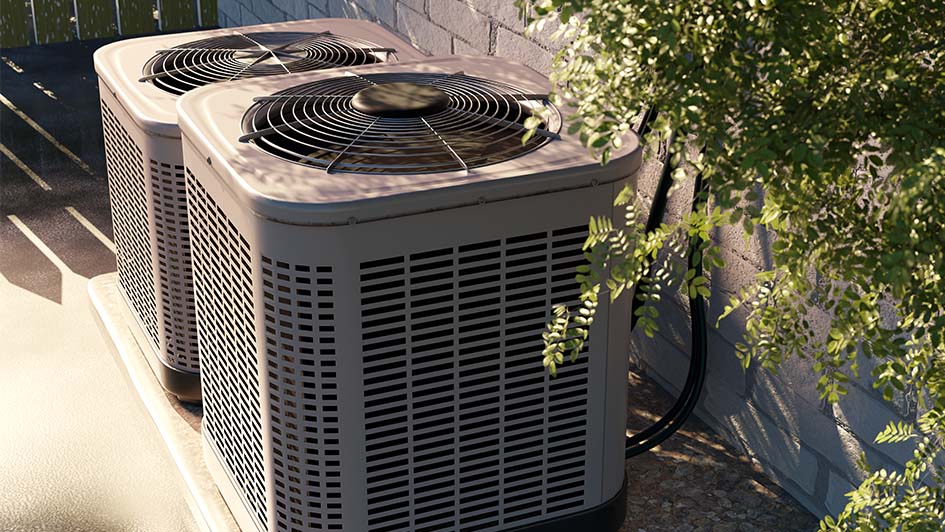
Choosing a new AC or furnace can be stressful. If you're trying to find the best HVAC system for your home, it's common to look for models with the highest efficiency ratings.
Surely the most efficient equipment should deliver the most comfort and lowest energy bills, right?
It’s not quite that simple.
Efficiency ratings aren’t the only thing to think about when it comes to new air conditioner installation or installing a new furnace. Even though many focus only on efficiency ratings, proper HVAC system sizing is often even more important for your home's comfort and your energy bills.
Proper sizing directly impacts humidity control and long-term reliability. The best HVAC system for your home delivers energy efficiency and proper sizing.
In this article, we'll explain what an air conditioner's SEER rating or SEER2 rating actually measures, why correct HVAC size is so important and why qualified HVAC contractors consider both when helping you choose the best HVAC system for your home.
What Does a High SEER Rating Actually Mean?
A SEER rating, (Seasonal Energy Efficiency Ratio), measures how efficiently an AC cools your home over a typical cooling season. A SEER2 rating is the current version of SEER, using test procedures that better reflect real-world operating conditions. Most new air conditioners have a SEER2 efficiency rating, simply because this rating is the new rating system for cooling equipment.
Fuel-burning heating system efficiency is evaluated by an AFUE rating, which is for Annual Fuel Utilization Efficiency. As with SEER and SEER2, higher AFUE ratings indicate a high-efficiency HVAC system that uses less electricity to heat your home than lower-rated systems under standardized laboratory testing.
Even so, high ratings don't by themselves guarantee lower utility bills. Real-world heating and air conditioner efficiency depends on more than just efficiency ratings, including the way the system is installed, the state of your ductwork, your home's insulation, thermostat settings and, most importantly, system sizing. Even the highest-efficiency system cannot operate at its best if it is bigger than necessary or undersized for the home.
Why Proper HVAC Sizing Matters More Than You Probably Think
Many assume a larger air conditioner or furnace will make their home the most comfortable or that they should just replace their old HVAC system with a same-sized replacement. Actually, new heating system installation or a new air conditioner should be selected based on your home's true heating and cooling needs—not just square footage or the size of your existing equipment.
That's why reputable technicians complete an HVAC load calculation, also called a Manual J calculation, before recommending replacement equipment. A Manual J calculation evaluates many variables that affect your home's heating and cooling requirements, including:
- Total square footage
- Room height
- Window size and placement
- Home insultation levels
- Air leakage
- Regional climate
- Household occupants
- Heat produced from appliances and lighting
- Air duct condition
A properly sized air conditioner runs for enough time to cool your home evenly while eliminating excess humidity. That means steadier temperatures, better indoor comfort and improved moisture control. Proper sizing also helps the equipment to perform more effciently, reducing strain that can shorten its lifespan or lead to more repairs and higher repair costs.
When HVAC equipment is the right size for your home, you get improved comfort and long-lasting performance.
Problems Caused by Oversized and Undersized Heating and Cooling Systems
It might be tempting to buy the most energy efficient, largest-capacity air conditioner or heating system on the market. In reality, that’s rarely a smart choice.
heating and cooling systems that are too large or undersized can create comfort issues, increase utility costs and reduce efficiency regardless of their SEER rating.
Drawbacks of Oversized HVAC Systems
An oversized air conditioner or heating system may reach the thermostat setting fast, but that doesn't mean it works well.
- Short cycling: An oversized HVAC system turns on and off frequently, reducing efficiency and increasing wear and tear.
- Humidity problems: Oversized air conditioners reach the set temperature too fast to remove indoor humidity from the air.
- Hot and cold spots: Some rooms feel too cool while others stay too warm.
- Additional equipment wear: Even though the system works quickly, those frequent starts and stops can cause avoidable breakdowns due to the strain.
Issues Created by Undersized HVAC Systems
An undersized HVAC system has a different set of problems:
- Long run times: The system runs for long periods trying to reach the desired temperature, which also causes extra strain.
- Difficulty reaching thermostat settings: Your home may feel cool enough during hot weather or always feel chilly in the winter.
- Greater energy usage: Running nonstop can increase energy costs.
- Extra stress during severe weather: HVAC systems that are too small can work harder in extreme temperatures, increasing component strain and the risk of breakdowns.
Finding the Right Balance Between Efficiency and Size
When weighing the pros and cons of a high SEER vs right-sized system, keep in mind that you don't automatically need the top-efficiency model on the market.
Often, a properly sized, mid-efficiency HVAC system will provide better results than an oversized premium system because it functions the way it was designed to.
Thebest choice is an energy-efficient HVAC system that's properly sized for your home, your budget, your climate and your long-term needs.
As you think about how to choose a new air conditioner or furnace, think about:
- Efficiency savings: Higher-efficiency and right-sized systems can decrease electricity use.
- Purchase price: High-efficiency AC and heating systems often require a larger upfront investment than mid-range models but can reduce long-term energy costs.
- Energy prices: Areas with higher electricity rates may see more significant long-term savings from higher-efficiency units.
- Your local climate: It's crucial your heating or cooling system has the right capacity to handle areas with extremely cold winters or very hot summers.
- Length of home ownership: If you plan to stay in your home for many years, the long-term energy savings of a higher-efficiency unit may offset the investment.
- Financial incentives: Manufacturer promotions, {utility|equipment rebates and tax credits can lower the overall cost of qualifying equipment.
Real-World Situation: High Seer vs. Right System Size
What does this look like in a real world example?
Picture two neighboring homes.
At the first home, the homeowner chooses a premium high-efficiency HVAC system that's too big because the contractor replaced it with the same size system as the previous unit. Next door, the second homeowner installs a right-sized, mid-efficiency system after completing a Manual J calculation.
While the second system has a more modest efficiency rating on paper, it may deliver lower operating costs, better home comfort, improved humidity control and last longer because it's properly matched to the home's needs.
Choose the HVAC Professional Who Designs Personalized Solutions
An HVAC replacement should involve more than selecting a system with the top efficiency rating. The best system is one that meets your home’s heating and cooling requirements.
At True Temp, our experienced professionals perform an HVAC load calculation. We'll evaluate your home's layout and construction, your household's heating and cooling preferences and recommend equipment that's designed specifically for your home—not simply the highest-capacity, latest and greatest unit or the one with the highest AFUE or SEER2 rating.
Our HVAC experts will let you know about any available rebates or tax incentives and provide information about HVAC financing options that make energy-efficient HVAC systems more accessible for all budgets.
Schedule an HVAC consultation online with True Temp now. Our team will evaluate your home, answer your questions and help you choose the right-sized high-efficiency system that keeps your family comfortable for many years.